
Arrest History in Nueces County
Nueces County arrest records begin with the office that takes a person into custody. The Nueces County Sheriff's Office, Corpus Christi Police Department, Robstown Police Department, Port Aransas Police Department, Bishop Police Department, county constables, Texas DPS troopers, and local campus police can all create arrest or incident records. When a person enters the Nueces County Jail, the sheriff creates a separate intake record even if another agency made the arrest.
A complete Nueces County arrest history can involve four layers. The arresting office holds its narrative. The jail records intake and present custody. A magistrate and court record warnings, bail, filed charges, hearings, and the outcome. The Texas Department of Public Safety links eligible fingerprinted arrest cycles with reported dispositions. These layers can disagree for a time because prosecutors may reject, reduce, enhance, or replace an intake charge.
Nueces Arrest Custodians Differ
A CCPD arrest followed by an NCSO booking requires two requests, not one. Corpus Christi Police owns the offense and arrest narrative. The sheriff owns the jail intake. Asking the sheriff for a city officer's investigative file will not move the city record to the county. The same rule applies to Robstown, Bishop, Port Aransas, campus, constable, and trooper arrests.
| Agency | Records route | Likely record |
|---|---|---|
| Nueces County Sheriff | Crime Data, (361) 887-2219; written PIR | Sheriff narrative and jail booking |
| Corpus Christi Police | Police report page, city PIR, 311 or (361) 826-2900 | CCPD report and daily blotter data |
| Robstown Police | 430 E. Main Ave.; (361) 387-3531 | Robstown incident or arrest report |
| Bishop Police | 119 E. Fourth St.; (361) 584-2443 | Bishop incident or arrest report |
| Port Aransas Police | Official city police and records route | Island city incident or arrest report |
| DPS or campus police | Agency public-information officer | Trooper or institution arrest report |
City borders determine the record owner even when the Nueces County Jail receives the person. Start with the arrest location and officer's agency, then add the jail record.
How to Look Up Nueces County Arrests
Nueces County does not expose a conventional county jail roster on the official pages reviewed. The 24-hour jail information line is the authoritative first check for current local custody. A layered search then tests the police, jail, court, and state records without assuming that one missing result settles the question.
- Identify the arresting agency, approximate date, time, and location. For a Corpus Christi event, check the city's official Police Open Data and daily blotter.
- Call Nueces Jail Information at (361) 887-2300 with the full name and date of birth. Ask for the releasable inmate ID or Nueces SID, booking number, charge, bond, and current status.
- Search Nueces Smart Search with
Last Name, First Name. With an SO number, put*in the main field and use the SO Number filter. - Request the arrest narrative from the agency that made the arrest. Use the sheriff's written Public Information Request only for NCSO-created records and sheriff booking material.
- Recheck the clerk for the filed charge and disposition, then use Texas DPS for statewide public criminal history or its fingerprint procedure to review one's own Texas record.
The Texas DPS Crime Records Service explains the statewide repository that receives reportable arrest and disposition data.

This official service is a statewide layer, while the arresting agency and Nueces County jail remain the sources for the local report and booking detail.
Nueces County Booking Timeline
Booking at 901 Leopard Street begins after transport. Staff inventories property, captures fingerprints and a booking photograph, enters the received allegation, performs health screening, and classifies the person. A magistrate gives warnings, reviews probable cause, and sets bail or release conditions. Texas law calls for magistration without unnecessary delay, generally within 48 hours. Bail may be cash, surety, personal recognizance, or restricted when the law permits.
Record flow: Arrest › Jail Intake › Fingerprint Cycle › Magistration › Prosecutor Review › Filed Charge › Disposition
A warrant arrest adds an executed warrant and supporting affidavit, which become public under Article 15.26 subject to other law. A warrantless arrest instead produces an officer's probable-cause narrative for magistrate review. Neither paper trail proves guilt. It records the legal basis asserted for custody at that point.
What an Arrest Record Shows
A useful Nueces County arrest request identifies the event and asks for fields from the right layer. The police report may describe probable cause and evidence. The booking record focuses on intake, identifiers, bail, custody, and release. Some victim or witness information, juvenile material, protected identifiers, and active-investigation evidence may be withheld or redacted.
| Event details | Arrest date, time, location, agency, officer, and incident number. |
|---|---|
| Legal basis | Probable-cause narrative and a warrant or capias number when applicable. |
| Intake identifiers | Booking number, Nueces SID or inmate ID, fingerprints, and transaction-control information. |
| Allegations | The charges recorded at intake, which may change after prosecutor review. |
| Bail and magistrate | Magistration time, bail amount, bail type, and release conditions that may be disclosed. |
| Property and transport | Property or evidence inventory and the facility that received the person. |
| Booking photograph | Status may be requested from Crime Data or Jail Identification; no official fee or release policy was located. |
| Release or transfer | Release event, current custody, or transfer to another system when available. |
Note: A booking photograph documents intake and identity; it does not show that the allegation led to prosecution or a conviction.
Nueces Sheriff Records Requests
When a phone answer is not enough, send a specific written request to the NCSO Public Information Officer. Hand delivery goes to 901 Leopard Street. Mail goes to NCSO, Attn: Public Information Officer, P.O. Box 1940, Corpus Christi, TX 78403. Fax requests go to (361) 887-2206. Crime Data can answer operational records questions at (361) 887-2219, and Jail Identification is at (361) 887-2313.
NCSO Public Information Officer
901 Leopard Street
Corpus Christi, TX 78401
Mail: P.O. Box 1940
Corpus Christi, TX 78403
Crime Data: (361) 887-2219
Fax: (361) 887-2206
State the incident or booking record sought, the date and place, the arresting agency, and any case, offense, booking, SO, or incident number. Add a preferred delivery method and ask for a cost estimate before fees exceed a chosen limit. No sheriff arrest-report fee was found in the official source, so request an estimate rather than assuming a price.
The Texas courts open-records policy helps distinguish judicial administration from adjudicative case files.
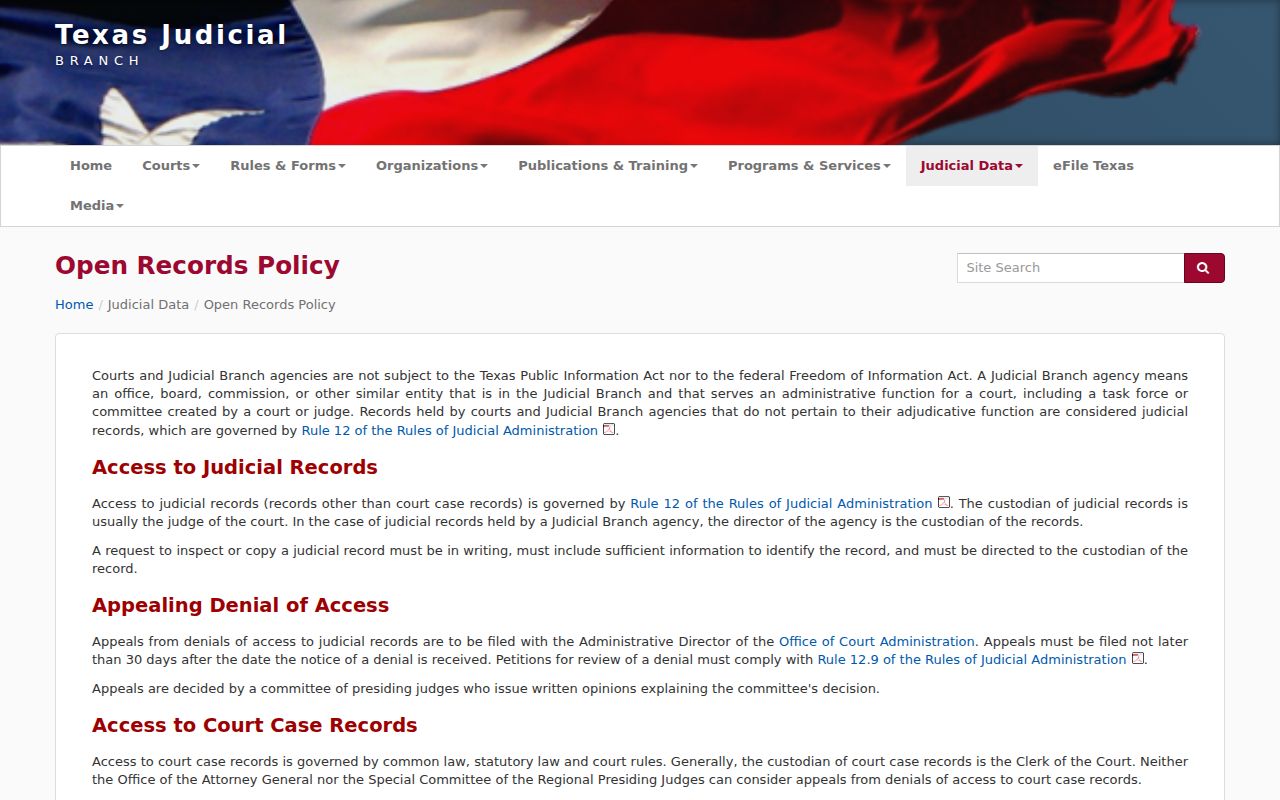
That distinction sends the arrest report to its law-enforcement custodian and the filed criminal case to the clerk, rather than treating both as one TPIA request.
Recent Arrests and Booking Logs
Corpus Christi Police Open Data and its daily blotter can provide an early city-police lead. Other Nueces County city sites did not reveal comparable official blotters in the research. For current custody, call Nueces Jail Information at (361) 887-2300. This is more reliable than a look-alike app or a commercial roster. No agency-owned NCSO or local police mobile app was confirmed.
A recent event may be absent from Smart Search until prosecutors file a case. Conversely, release from jail does not mean a charge was dismissed. Recheck the clerk record for the actual prosecution. The Texas Judicial Branch case-search explanation confirms that Texas does not provide one statewide trial-court person search.
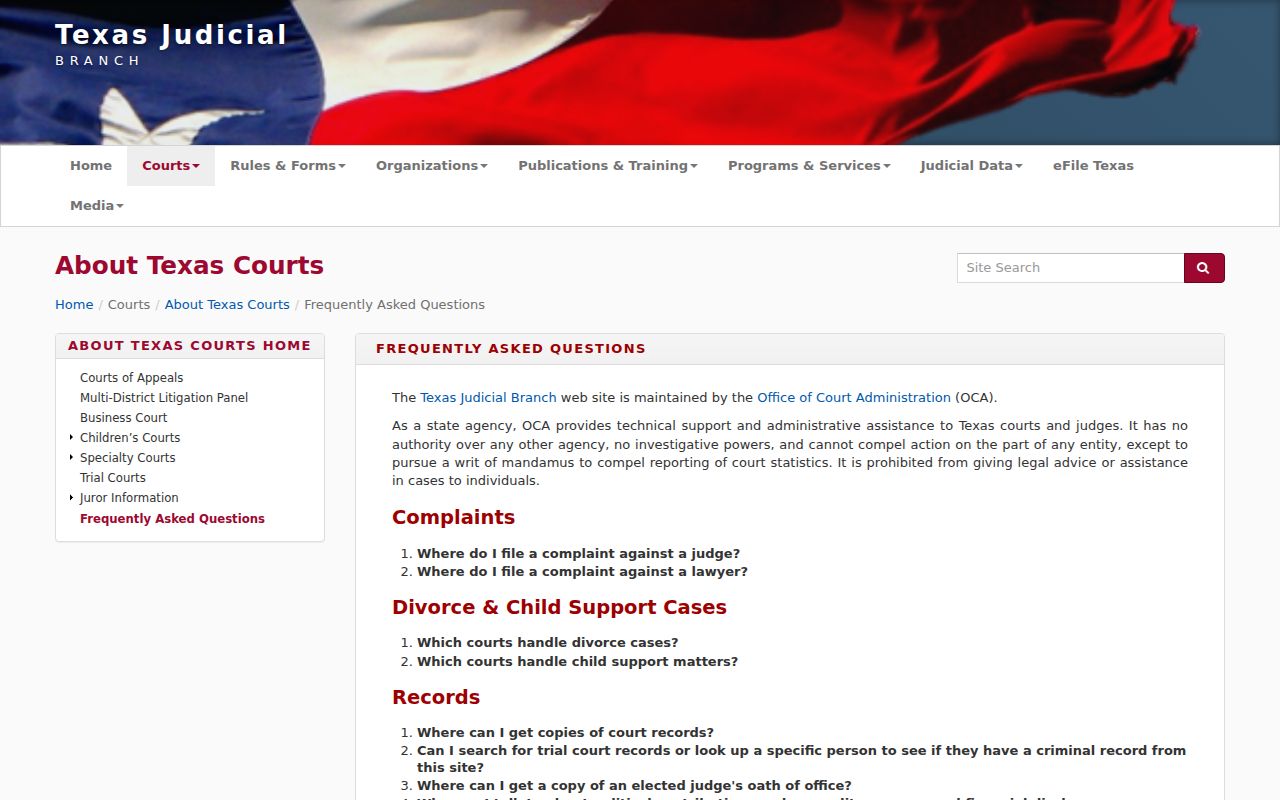
Nueces Tyler Smart Search is therefore the local court follow-up, and its result should be read charge by charge instead of as a statewide arrest log.
Nueces Arrests Reach DPS
For a reportable offense, officers take fingerprints and the booking agency transmits the arrest event, identifiers, charge, and tracking-control number into the Texas Computerized Criminal History system. The District Clerk later reports the case disposition, with state instructions calling for reporting within 30 days after the clerk receives it. DPS should join that result to the fingerprinted arrest cycle.
Gaps can occur when an arrest was not fingerprinted, identifiers fail to match, an office reports late, or an old result never linked. The public DPS Crime Records portal also shows a narrower legal subset than a fingerprint-based personal review. A person checking their own record should follow the DPS personal-review process and work with DPS and the contributing office to challenge an error.
The FBI Identity History Summary portal is the federal subject-only route, separate from a Texas or Nueces County arrest lookup.
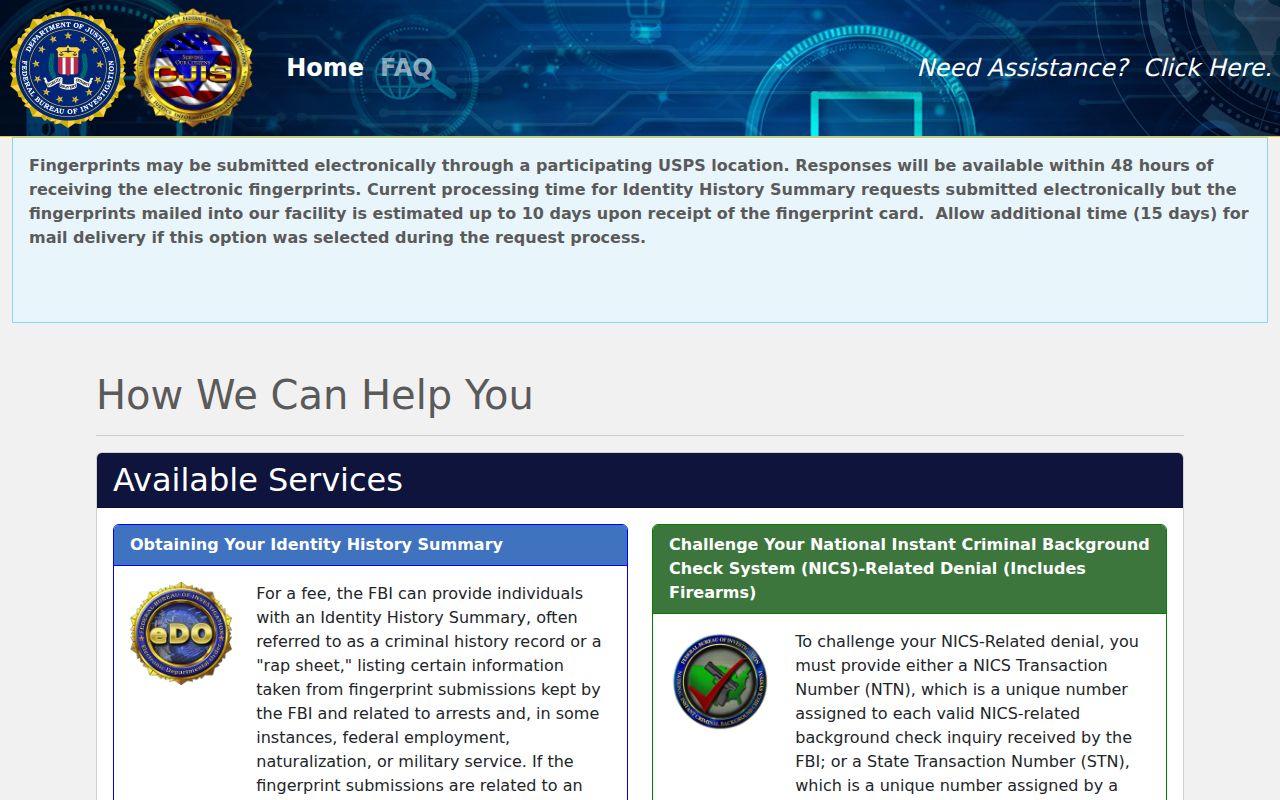
Its scope is federal identity history, so it does not replace the city report, county booking record, Nueces court file, or DPS Texas review.
Nueces Custody After Transfer
The Nueces County Jail line answers present local custody. After transfer to state prison, the search moves to the Texas Department of Criminal Justice. Its locator accepts last name, first name, TDCJ number, SID number, gender, and race. Results can provide the state facility, offenses, sentence, and projected release information. TDCJ also offers email and phone routes when the form fails.
The TDCJ offender information page sets out those state custody channels.
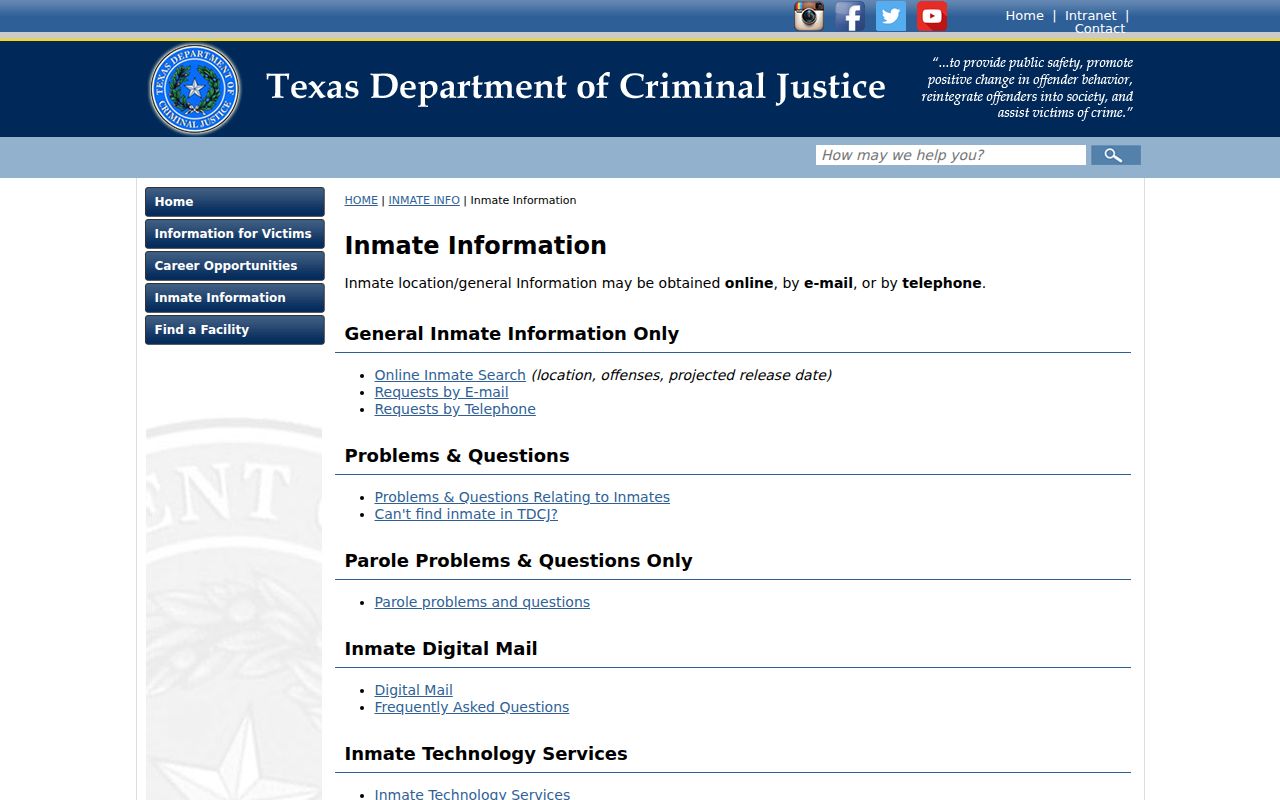
A TDCJ record begins at the state-prison stage. It should not be read as the original Nueces County arrest narrative or the complete court case.
Arrests vs Convictions
An arrest record says that an agency took a person into custody under an allegation. A conviction requires a court judgment of guilt. Between those points, a prosecutor may decline, change, or add a charge, and a court may dismiss, acquit, defer, or convict. The full Nueces County criminal case file is the source for the filed charge and outcome.
| Point | Arrest record | Conviction record |
|---|---|---|
| Creator | Arresting agency and jail | Court clerk after adjudication |
| What it proves | Custody and an allegation were recorded | A court entered a judgment of guilt |
| Where it lives | Police or sheriff file and jail system | Court file and reported DPS history |
| Possible next event | Release, rejection, changed charge, or filing | Sentence, appeal, or record-relief process |
| Best verification | Creating agency plus jail | Signed judgment from the clerk |
A dismissed arrest may remain in agency, jail, clerk, or CCH systems unless the law restricts it or a court grants expunction. Juvenile arrest material is confidential under Texas law. Verify a claimed outcome with the correct official office and avoid assigning guilt from an arrest entry.
Note: An arrest is not proof of guilt, and a booking can end without charges, by dismissal, or with an acquittal.